
4 min read ·
Burst Pipe Insurance Claim Tips: 8 Steps to Protect the Claim
Stop the leak, document the cause and damage, preserve evidence, compare estimates, and check the deductible, valuation terms, limits and exclusions.
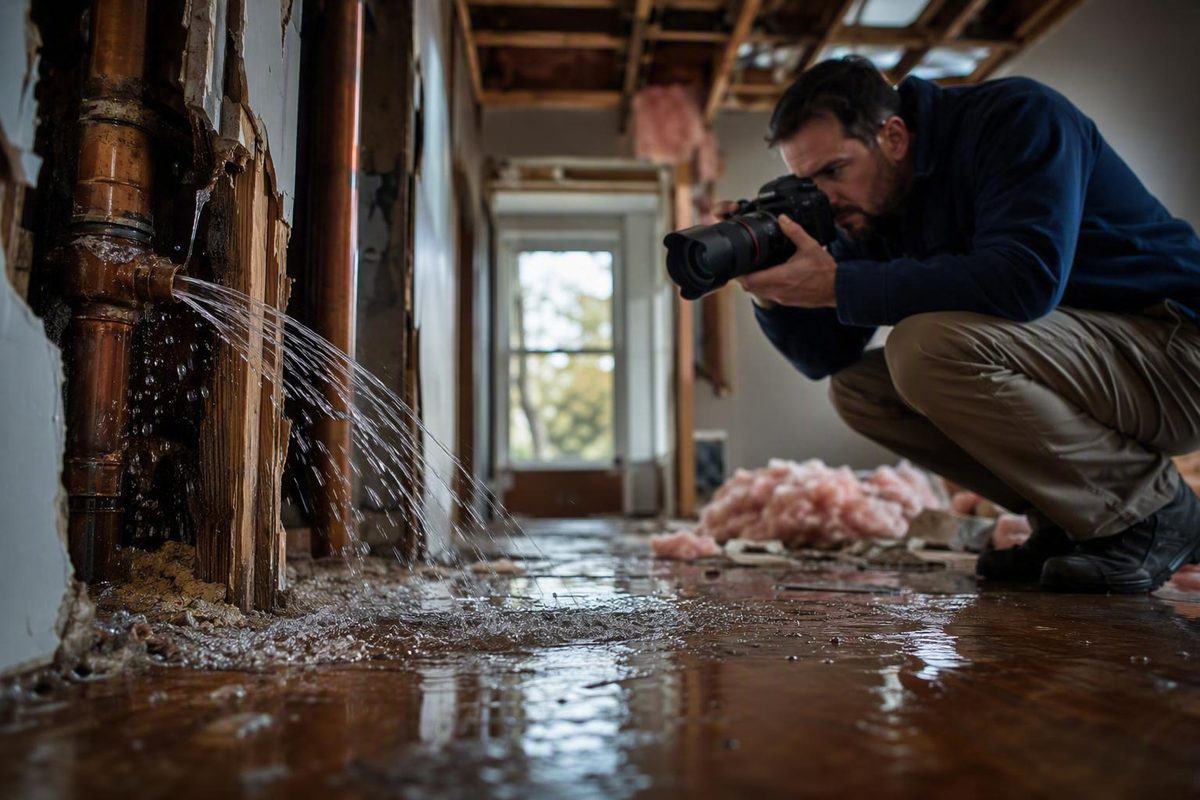
A burst-pipe claim is easier to evaluate when the file answers three separate questions: What caused the discharge? What did the water damage? What does each repair cost?
Home and renters policies commonly cover sudden, accidental water damage such as a burst pipe, while damage from gradual leaks or seepage is commonly excluded. Standard home policies also treat external flooding differently from water released by plumbing inside the home; flood damage generally requires separate coverage. Your own form, endorsements and state rules control the result. (Texas Department of Insurance)
1. Stop the water and limit further damage
If it is safe, close the main water valve and arrange emergency plumbing or water extraction. Move undamaged property away from the wet area and begin drying it. The Texas Department of Insurance tells consumers to stop the water flow, remove pooled water and start drying as soon as possible. (TDI)
Do not wait for an adjuster while water continues to spread. Emergency work should stop the leak and prevent additional damage; it need not become a full reconstruction project.
2. Photograph before cleanup changes the scene
Take wide photos of every affected room, then close-ups of:
- the failed pipe, fitting or appliance connection;
- wet walls, ceilings, floors and cabinets;
- the visible water line or path;
- damaged furniture and other belongings; and
- every area opened by the plumber or mitigation crew.
Record a slow video walkthrough and narrate the date, rooms affected and what you can see. The NAIC recommends documenting all losses before removing debris or belongings and, when possible, saving damaged items for inspection. (NAIC)
3. Report the claim promptly—and record the conversation
Contact the insurer or agent as soon as practical. Ask for:
- the claim number;
- the adjuster’s name and contact details;
- instructions for emergency mitigation;
- the deadline and format for a contents inventory or proof of loss; and
- confirmation of whether the insurer wants to inspect the failed component.
Keep a claim log with the date, person, phone number and substance of every call. Follow important calls with an email. Insurers commonly impose reporting requirements, so prompt notice matters. (NAIC)
4. Preserve evidence of the cause
Ask the plumber to write down:
- the precise failure location;
- whether the break appeared sudden or developed over time;
- any visible corrosion, freezing or prior repair;
- the work needed to stop the discharge; and
- which parts were removed.
Keep the failed pipe or fitting if practical, but ask before discarding it. Save prior plumbing invoices, heating records and photographs that may show the area before the loss.
This is especially important after a freeze. Homeowners policies generally require reasonable precautions against freezing, such as maintaining heat or shutting off the water when a home is vacant. A failure to take required precautions can affect coverage. (NAIC)
5. Separate emergency work from permanent repairs
Authorize necessary water shutoff, extraction and drying, but document the condition before contractors remove materials. Keep every invoice, receipt, moisture reading and drying log.
Avoid signing an open-ended assignment or permanent reconstruction contract before you understand its price and the insurer’s scope. State regulators advise making temporary repairs to prevent more damage, preserving receipts and waiting on permanent work until the insurer has inspected or approved the next step. (TDI)
6. Build the claim in separate cost buckets
Do not submit one unexplained total. Organize documents under:
- emergency plumbing;
- water extraction and drying;
- access work, such as opening a wall or floor;
- building repairs;
- damaged personal property;
- additional living expenses if the home is uninhabitable; and
- testing or remediation, if mold or contamination is alleged.
For damaged belongings, list the brand, model, age, purchase price, condition and proposed replacement. Attach photos, receipts, manuals or card statements where available. If you must relocate, keep hotel, meal, laundry, parking and pet-boarding receipts. Loss-of-use coverage and its limits depend on the policy; the NAIC notes that temporary lodging may be reimbursable and advises keeping all receipts. (NAIC)
7. Compare the adjuster’s estimate line by line
Match the insurer’s estimate against the plumber’s report, mitigation invoice and contractor estimate. Check for missing rooms, cabinets, insulation, trim, painting, debris removal, permits and sales tax. If a contractor finds hidden damage after demolition, photograph it and send a written supplemental estimate before proceeding where practical.
Ask the adjuster to identify the policy language behind any excluded item, limit or depreciation deduction. A claim may include covered water damage even when the insurer disputes another part of the work; get the decision broken down rather than accepting a single unexplained number.
8. Check the deductible, valuation and limits
Labeled example: Assume the insurer accepts $25,000 of covered building and contents damage, subject to a $2,000 deductible. The amount after the deductible is $23,000, before any applicable depreciation, special limit or prior payment. If the policy values some contents at actual cash value, the initial payment may be lower; replacement-cost terms may allow additional payment after repair or replacement. Colorado’s Division of Insurance summarizes ACV as value at the time of loss, RCV as the cost of a new replacement, and depreciation as the difference. (Colorado Division of Insurance)
That example does not establish coverage. A gradual-leak exclusion, freeze-related condition, mold limit, vacancy term or other endorsement could change the result. The practical final check is to reconcile four documents: the policy and endorsements, the insurer’s coverage letter, the adjuster’s estimate and your supporting invoices.
If the insurer denies the claim or the accepted damage does not exceed the deductible, identify which decision you actually received before escalating. A claim denial requires a different response from a below-deductible loss, and the deductible’s effect is explained separately in how insurance deductibles work.