
3 min read ·
Household Goods: Your Belongings, Not Automatic Coverage
Understand what household goods include, how they differ from the building, and how insurance limits, deductibles and valuation affect a claim.
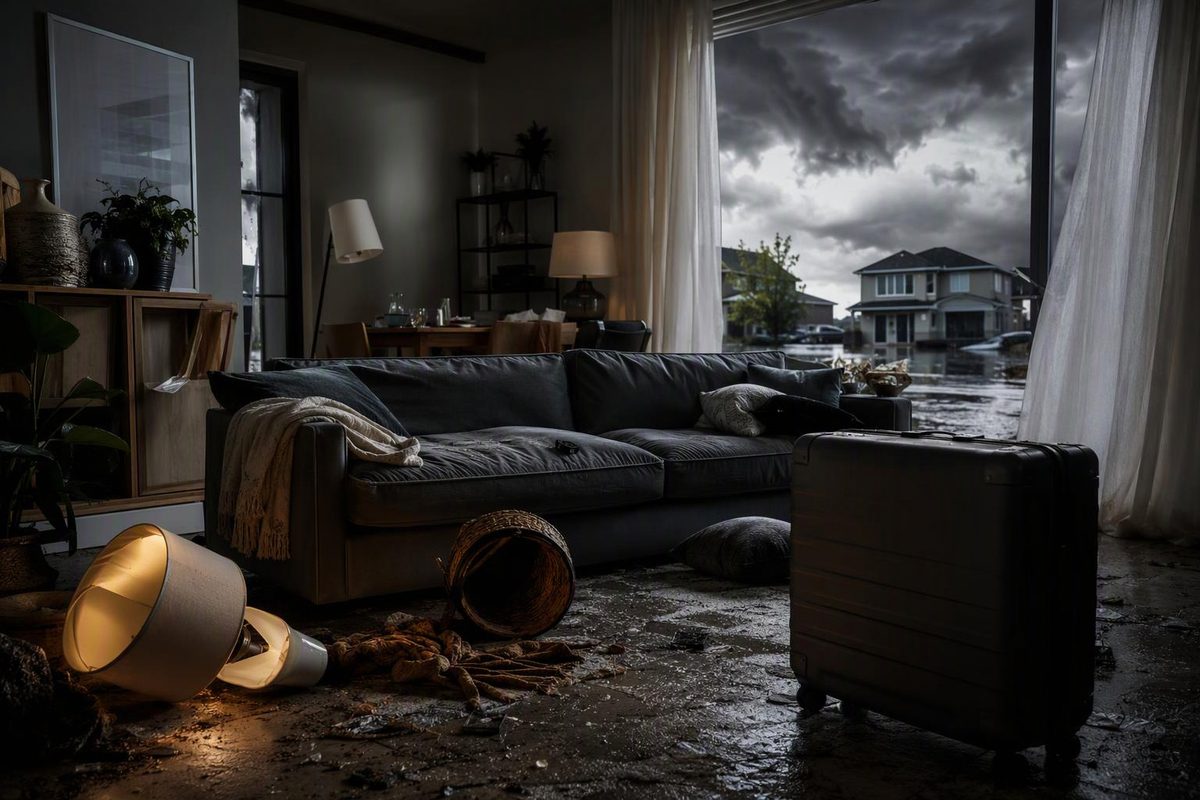
In everyday use, household goods are the personal belongings used to furnish a home and support daily life, such as furniture, clothing, kitchenware and appliances. In U.S. home and renters insurance, the coverage to look for is usually called personal property or contents coverage, rather than “household goods.” FEMA’s insurance guide lists furniture, clothing and appliances as examples of personal property. FEMA guide
The distinction that matters in a claim: an item can be a household good without its loss being covered. The policy must cover the property and the cause of damage, and payment remains subject to valuation rules, limits and a deductible.
What counts as household goods?
For a home inventory, start with the belongings you would ordinarily pack or move with you:
| Category | Examples to record |
|---|---|
| Furniture | Sofas, tables, chairs, beds and dressers |
| Clothing and linens | Clothes, shoes, bedding and towels |
| Kitchen and household items | Dishes, cookware, utensils and cleaning equipment |
| Electronics | Televisions, computers and audio equipment |
| Appliances | Microwaves, washing machines and other appliances you own |
| Personal-use equipment | Sports gear, garden equipment and musical instruments |
This is an inventory checklist, not a promise that every item receives the same coverage. The NAIC’s homeowners shopping tool treats computer equipment, musical instruments, garden equipment and sports equipment as personal property to discuss when arranging insurance.
Jewelry, artwork, antiques and collectibles also belong in your personal-property inventory, but they may have special dollar limits. Do not assume a large overall contents limit means an expensive ring or painting is fully insured. Ask whether extra coverage or an individually listed—“scheduled”—item is needed. NAIC shopping tool
Household goods are different from the building
A sofa and your clothes are belongings; the house itself is not. Home insurance separates dwelling coverage from personal-property coverage. Renters insurance covers eligible belongings but does not pay to repair the rented building. Texas Department of Insurance guide
For fitted appliances, attached fixtures or improvements you installed, ask which coverage section applies rather than automatically treating them as contents. Ownership and the policy’s wording matter, particularly in a rental or condominium.
Likewise, flag business inventory and work equipment separately. Keeping something at home does not necessarily make it eligible for ordinary household coverage; FEMA warns that home-based businesses may not be covered by homeowners policies. FEMA guide
What the definition changes in an insurance claim
Once an item falls within covered personal property, check four things:
- Cause of loss: Does the policy cover the fire, theft or other event that damaged it?
- Limit: What is the overall personal-property limit, and does a smaller category limit apply?
- Deductible: How much of this covered loss remains your responsibility?
- Valuation: Does the policy pay actual cash value or replacement cost?
Actual cash value usually deducts depreciation for age and wear. Replacement-cost coverage pays to repair or replace with like kind and quality without that deduction, but many policies initially pay only actual cash value until you repair or replace the items. NAIC shopping tool
Illustrative claim example: Assume a covered fire destroys eligible household belongings valued at $8,000 under your policy’s settlement terms, before the deductible. Your policy has a $20,000 personal-property limit and a $1,000 deductible, with no applicable special limit. The total payment would be $7,000, though replacement-cost payments may arrive in stages. If the same belongings instead suffer damage from a flood excluded by that policy, personal-property payment for that loss would be $0. A contents limit does not override an exclusion. Most home policies exclude flood damage. Texas Department of Insurance guide
Use the definition before buying coverage
Make a room-by-room inventory, including closets and storage areas. Record descriptions, purchase dates, values and serial numbers where available; keep photos and major receipts somewhere accessible after a loss. An inventory helps you choose a coverage amount and document a claim. Texas Department of Insurance guide
Use practical clothing categories so the wardrobe does not disappear into one vague entry. Then compare home insurance quotes on equal terms, including contents limits and valuation—not just premiums.
If you encountered “household goods” in a moving contract, note the different context: the federal moving regulator describes them as personal items and property used in a home. That transportation classification does not establish coverage under your home insurance policy. FMCSA explanation