
4 min read ·
Renters Personal Property Coverage: What Gets Paid
See how renters personal property coverage pays for belongings—and how replacement cost, depreciation, deductibles, limits and exclusions change a claim.
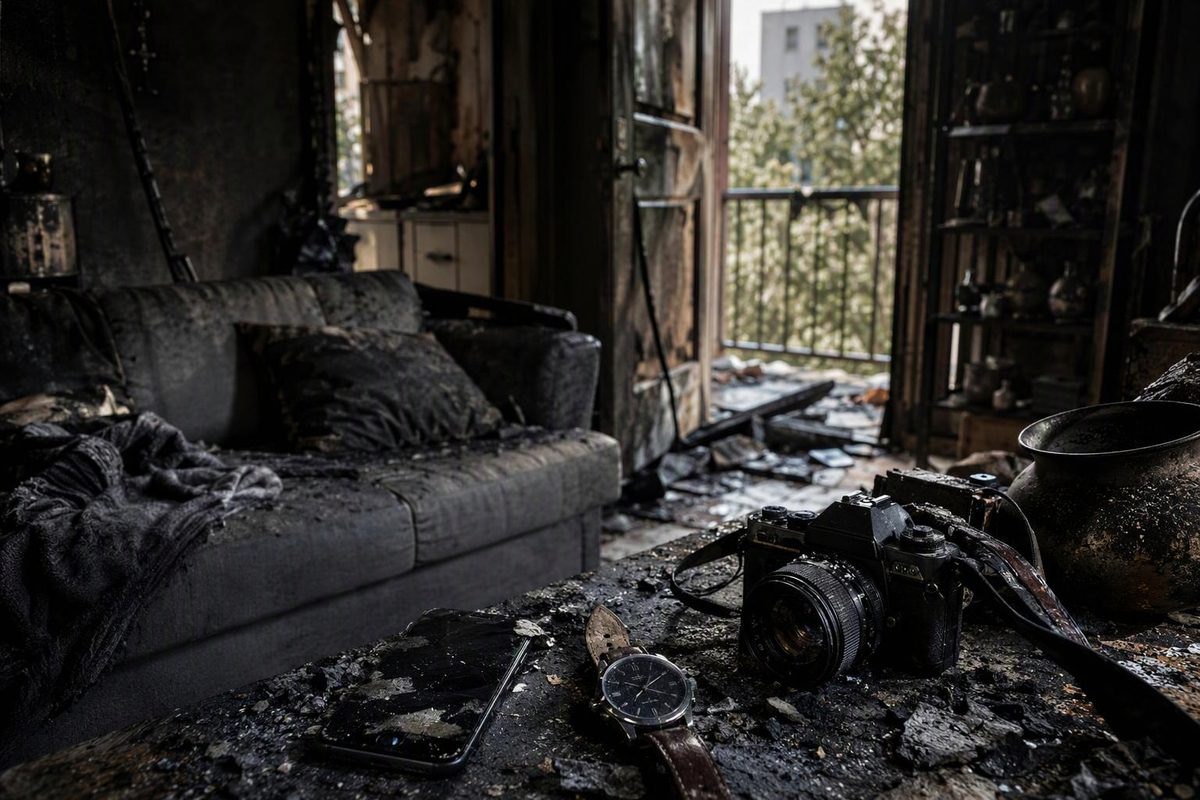
Personal property coverage is the part of renters insurance that helps pay to repair or replace your belongings after a covered loss. Think furniture, clothing, electronics and household items—not the building itself. Your landlord’s property insurance generally does not insure the things you own, as the National Association of Insurance Commissioners explains.
The important question is not just “Are my belongings insured?” It is which losses qualify, how the insurer values your items, and what limits and deductible apply. This guide describes common U.S. renters coverage; your policy and state-specific endorsements control.
What does personal property coverage cover?
Most renters policies cover belongings damaged or lost because of fire, smoke, theft, vandalism and certain kinds of water damage. Standard renters coverage does not cover flooding. The Texas Department of Insurance’s renters guide makes that distinction: coverage for some water damage is not coverage for every way water can enter your home.
Protection can extend beyond your rental. For example, belongings stolen from your car or while you are traveling may qualify. But off-premises coverage is not a promise to pay for every missing or damaged item; check the covered causes, exclusions and location-specific limits. The NAIC describes this away-from-home protection.
Other parts of renters insurance serve different purposes:
- Personal liability addresses qualifying claims that you injured someone or damaged their property.
- Loss of use or additional living expenses can pay eligible extra living costs when a covered loss makes your rental unlivable.
Those are separate from payment for your possessions. See our explanation of renters loss of use coverage if your concern is temporary housing rather than replacing belongings.
Replacement cost versus actual cash value
Two quotes with the same personal property limit can produce different claim payments.
Actual cash value (ACV) accounts for depreciation—the reduction in value associated with age and condition. Replacement cost generally uses the cost of comparable new items without deducting depreciation. Neither removes the policy’s deductible, limits or exclusions. Travelers explains both valuation options for renters.
Replacement cost also does not necessarily mean you receive the entire replacement amount immediately. For example, Liberty Mutual describes its optional renters replacement-cost coverage as paying actual cash value first, then up to the replacement cost. Ask your insurer what you must replace, what receipts it requires and which deadlines apply to any additional payment.
Example: the same belongings, different payouts
Assume a fire destroys ordinary household belongings, with no special category limits applying:
| Example policy detail | Amount or term |
|---|---|
| Personal property limit | $5,000 |
| Deductible | $500 |
| Accepted replacement cost of destroyed items | $3,000 |
| Accepted actual cash value after depreciation | $1,800 |
| Exclusion | Flood damage is excluded |
Under these hypothetical terms:
- ACV coverage: $1,800 minus the $500 deductible produces a $1,300 payment.
- Replacement-cost coverage: Once applicable replacement conditions are met, $3,000 minus $500 produces a $2,500 total payment.
- Excluded flood loss instead of fire: These belongings produce no payment under this policy’s personal property coverage, regardless of their value.
Both covered-loss calculations are below the $5,000 limit. That limit is a ceiling, not an automatic payout. The deductible is your share of the covered loss; a qualifying loss below it may produce no insurer payment. Our guide to how insurance deductibles work explains that tradeoff.
Choose a limit from your inventory, not the cheapest quote
Walk through every room and estimate what it would cost to replace your belongings today. Include clothing, bedding, cookware and small appliances—not just your laptop and sofa. Compare that total with the quoted personal property limit.
Then check special limits, sometimes called sublimits. Jewelry, cash, collectibles and business property may have smaller limits within the overall coverage. Increasing your total limit does not necessarily fix those gaps. The Texas insurance regulator recommends an inventory and additional coverage checks for expensive items; its example dollar limits are not universal policy terms.
Before buying, ask:
- Is settlement based on ACV or replacement cost?
- Which deductible applies to personal property claims?
- What special limits apply to my valuables or work equipment?
- Are belongings in storage or away from home subject to different limits?
- Whose belongings are insured, especially if I share the rental with a roommate?
- Which exclusions or optional endorsements matter for my risks?
Keep photos, receipts, model numbers and approximate purchase dates with your inventory, somewhere you can access after a loss. State Farm’s claims guidance notes that insurers may request those details when evaluating damaged or stolen property. An adequate limit helps prevent underinsurance; a usable inventory helps substantiate what you lost.