
7 min read ·
When a Trailer Needs Its Own Coverage
State law, trailer type, use, financing and policy wording determine whether separate liability, physical-damage or cargo coverage is needed.
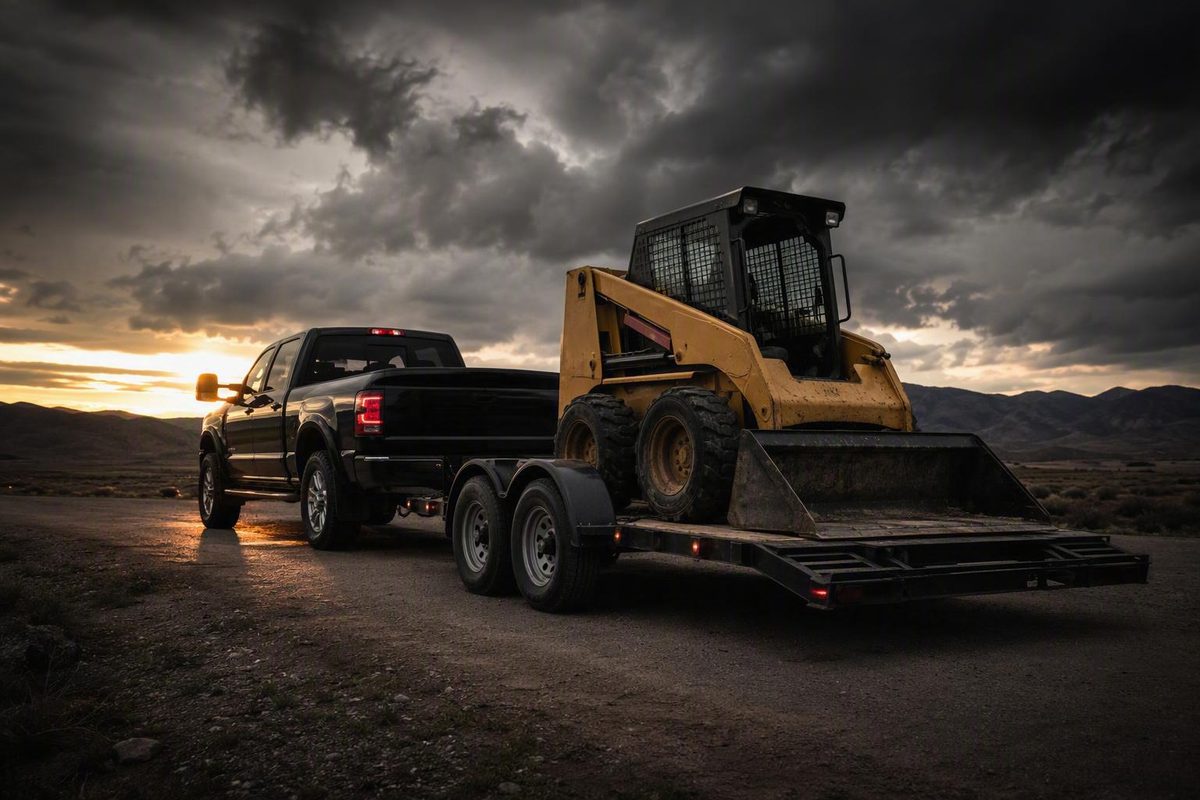
A personal towable trailer often does not need a separate liability policy while attached to an insured car or truck, but insurer guidance is not a nationwide legal rule. Requirements and coverage depend on the state, trailer type, use, financing arrangement, and wording of the towing vehicle’s policy. Even when liability extends from the tow vehicle, it generally protects against injury or property damage to others—not damage to your trailer or its contents. Farmers explains these distinctions and the need to check state and policy requirements.
The short answer: check the law and the coverage gap
When asking, “Do you need insurance for a trailer?” separate the issue into three questions:
- What does your state require? Registration and insurance rules vary by jurisdiction and trailer category.
- Does the tow vehicle’s liability coverage extend to the trailer? It may while a personal trailer is attached, but the policy controls.
- What protects the trailer and its cargo? Liability for harm to others is different from physical-damage and contents coverage.
| Situation | Main issue to verify | Potential uninsured exposure |
|---|---|---|
| Personal trailer with liability only | Whether tow-vehicle liability extends while attached | Damage to the trailer and cargo |
| Valuable trailer needing crash or theft protection | Availability of collision and comprehensive coverage | Repair or replacement costs after a crash or theft |
| Financed or leased trailer | Lender or lessor insurance conditions | Required physical-damage coverage may be missing |
| Business-use trailer | Whether personal auto coverage permits the use | Commercial liability, equipment, or cargo losses |
| Travel or camper trailer | Whether specialized RV coverage is appropriate | Trailer, contents, attached equipment, or campsite risks |
Optional coverage can be financially important even when no law requires a standalone trailer policy. Ask whether you could comfortably repair or replace the trailer—and the property carried inside it—after a crash, theft, fire, or storm.
This is general insurance information, not legal or policy advice. Confirm current requirements with the DMV and insurance department in the state where the trailer is registered and primarily used. Then review the declarations, definitions, exclusions, limits, deductibles, and endorsements in the applicable policy.
What the towing vehicle’s liability coverage may do
A car or truck policy may extend liability coverage to an attached trailer during personal towing. Liability generally addresses covered bodily injury or property damage suffered by other people when the insured is legally responsible, subject to the policy’s limits, exclusions, and conditions.
For example, suppose an attached utility trailer swings into the next lane and strikes another vehicle. The towing vehicle’s liability coverage may address the other driver’s covered vehicle damage or injuries. It generally would not pay to repair your trailer or replace the property you were hauling. Farm Bureau Financial Services distinguishes tow-vehicle liability from optional protection for the trailer and cargo.
Do not treat “my auto policy covers the trailer” as a complete answer.
There is no universal answer for a trailer that disconnects and causes an accident. Policy language and jurisdictional rules may treat that exposure differently. Ask the insurer whether the trailer must be listed and how the policy applies before, during, and after disconnection, then request the response in writing.
Coverage for crashes, theft, weather, and cargo
Protecting the trailer itself usually requires physical-damage coverage rather than liability alone.
Collision coverage may pay for covered damage caused by a crash, impact, or rollover. Comprehensive coverage may address covered non-collision losses such as theft, vandalism, fire, falling objects, animal collisions, or severe weather. Every claim remains subject to the applicable exclusions, limits, deductibles, and valuation provisions. Progressive describes collision and comprehensive protection for cargo trailers as distinct from tow-vehicle liability.
The trailer and its contents are separate property interests. Coverage for the trailer’s frame, body, doors, and permanently attached components does not necessarily insure:
- Tools or construction equipment
- Camping gear and personal belongings
- Landscaping or farming equipment
- Motorcycles, ATVs, or boats being transported
- Merchandise or customers’ property
- Livestock
Depending on ownership and use, personal belongings may have some protection under homeowners, renters, specialized contents, or RV coverage. Business tools and mobile equipment may instead require commercial-property or inland marine insurance. Item-specific limits, exclusions, and scheduling requirements can apply. State Farm identifies homeowners or renters coverage as potentially relevant to personal contents and inland marine coverage as an option for business property.
Consider an enclosed cargo trailer stolen while it contains expensive tools. Comprehensive coverage might pay for the covered loss of the trailer, less the deductible, while providing no payment for the tools. A separate applicable policy or endorsement would need to protect that part of the loss.
Before buying physical-damage coverage, compare the trailer’s value with the premium and deductible. Ask how a total loss would be valued and whether custom modifications or attached accessories are included. Do not assume the policy provides replacement cost, agreed value, or another valuation method unless the contract says so.
When trailer type, financing, or business use changes the answer
Utility, cargo, boat, horse, travel, and camper trailers create different exposures.
Travel and camper trailers are commonly insured through specialized RV coverage. They are towable units, unlike self-propelled motorhomes, which are motor vehicles and generally need their own vehicle insurance. A lender or lessor may also require collision and comprehensive coverage for a financed or leased trailer even if state law does not require a standalone trailer policy. The particular agreement controls any deductible, proof-of-insurance, or lender-interest conditions.
Business use requires separate attention. Paid hauling, deliveries, contracting, farming, landscaping, or transporting tools to job sites may fall outside or be limited by personal auto coverage. Depending on the operation, appropriate protection could involve commercial auto, trailer physical damage, inland marine, equipment coverage, general liability, or another business policy. Farmers identifies specialized RV coverage, lender conditions, and commercial use as circumstances that can change the insurance needed.
No single package fits every commercial activity. Tell the insurer who owns the trailer and cargo, what is transported, whether hauling is performed for compensation, where the trailer is stored, and whether it carries customers’ property.
Owners of high-value, customized, or frequently used trailers should compare:
- Physical-damage limits and deductibles
- Exclusions for particular uses or cargo
- Coverage for permanently attached equipment
- Storage and off-road restrictions
- Roadside assistance that applies to the trailer
- Total-loss valuation provisions
Insurance and trailer registration are not the same thing
Registration, inspections, insurance verification, and insurance coverage answer different questions. Completing an administrative requirement does not establish everything a policy will pay after a loss.
Massachusetts provides one state-specific example. Its RMV says most private-passenger trailers are insured through the towing vehicle’s policy, while commercially insured trailers are subject to different policy-record reporting rules. The state nevertheless requires insurance verification for a new trailer registration or registration amendment. Its “Insurance Exempt Vehicle” indicator for qualifying privately insured trailers concerns policy-record handling; it does not mean the trailer is uninsured. The Massachusetts RMV trailer-reporting manual explains these procedures.
Those Massachusetts procedures should not be applied nationwide. A state allowing registration without a trailer-specific policy does not prove that the trailer has collision, comprehensive, or cargo coverage. Conversely, showing insurance during registration does not establish that physical damage to the trailer is covered.
Consult your state DMV for current title, registration, plate, weight, and inspection rules. Use the state insurance department and your insurer to verify insurance requirements and policy treatment. Specify whether the trailer is personal, recreational, agricultural, or commercial.
A checklist to use before you tow
Give the insurer enough information to evaluate the actual exposure:
- State of registration and primary use
- Trailer type, year, make, model, VIN, and weight
- Purchase price and current estimated value
- Whether it is owned, financed, leased, rented, or borrowed
- Personal, recreational, farming, or commercial use
- Tow vehicle and regular drivers
- Permanently attached equipment and modifications
- Personal belongings, tools, machinery, livestock, boats, or recreational vehicles carried
Then request written answers to the following questions.
Liability
- Does the tow vehicle’s liability coverage extend to this trailer while attached?
- Must the trailer be listed or shown on the declarations?
- What limits and exclusions apply?
- How does the policy address accidental disconnection?
- Does treatment change while the trailer is parked, stored, or used as living space?
Damage to the trailer
- Are collision and comprehensive coverage available or already included?
- Which crash and non-collision losses are covered?
- What exclusions apply to theft, weather, storage, or off-road use?
- What deductible applies to each coverage?
- What limit or valuation basis governs a total loss?
- Are custom parts and attached equipment included?
Cargo and other property
- Which policy, if any, covers personal belongings or camping gear?
- Are tools and business equipment insured in transit and at a job site?
- Do boats, motorcycles, ATVs, livestock, or customers’ property require separate protection?
- Are there item-specific limits or exclusions?
For a borrowed or rented trailer, confirm both the owner’s and driver’s policies before towing. Either policy may contain limitations or exclusions affecting physical damage, so do not assume that responsibility for damaging the trailer means an auto insurer will pay.
Also ask how the policy treats a newly acquired trailer. Obtain the applicable duration and requirements in writing.
The decision rule is straightforward: verify legal and contractual requirements first, then decide whether an uninsured loss to the trailer or its cargo would be affordable. If it would not, choose coverage aimed at that specific gap rather than relying on tow-vehicle liability alone.