
4 min read ·
Totaled Leased Car: Who Gets Paid and What You May Owe
Insurance usually pays the leasing company based on the car’s value. Learn how GAP, deductibles and lease terms determine what you still owe.
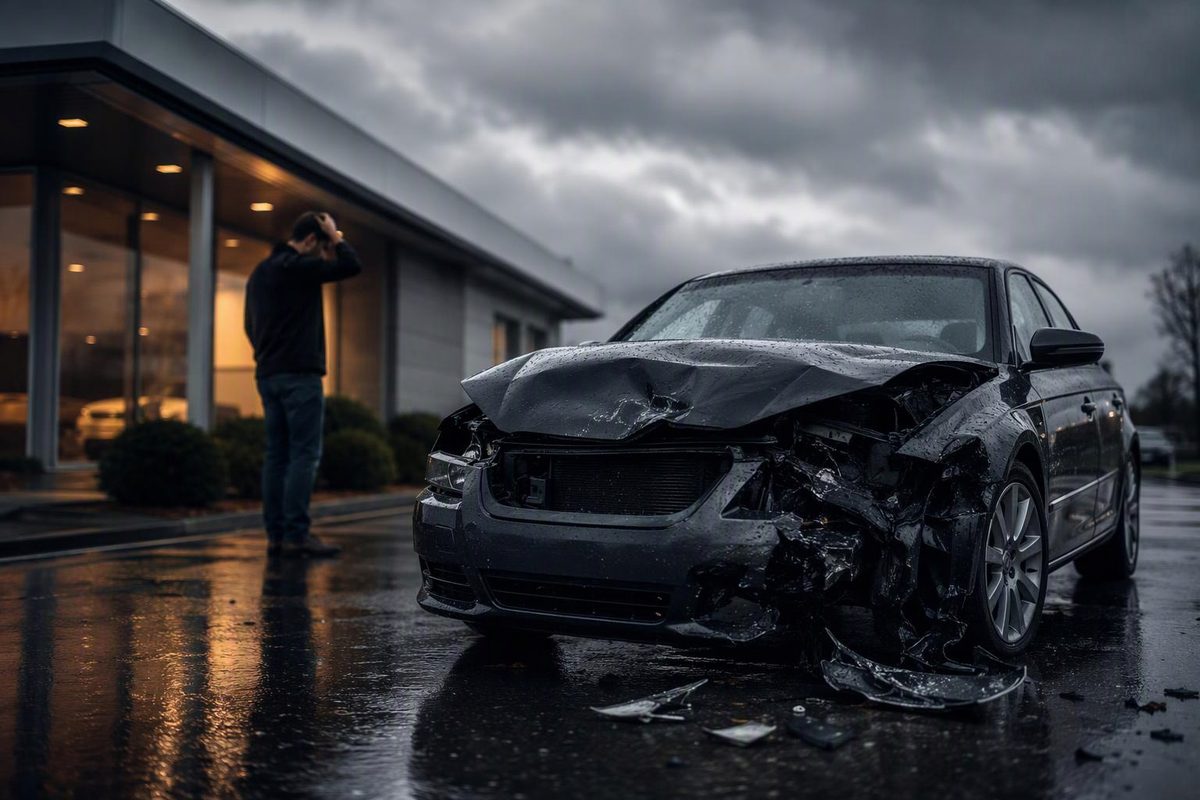
A covered total loss usually leads to an insurance payment to the leasing company and closure of the lease—not an automatic replacement car. Insurance generally pays the vehicle’s actual cash value, minus any applicable deductible. If that payment falls short of the amount needed to settle the lease, GAP insurance may pay the eligible difference, or a contractual GAP waiver may waive it. Without that protection, you may owe the shortfall. Progressive explains this payment process.
Do not stop making payments just because the car is totaled. Continue until the leasing company confirms your obligation has ended or authorizes another arrangement. Both American Honda Finance and Southeast Toyota Finance instruct customers to keep paying after a total loss.
This is a general U.S. explanation; your insurance policy, lease agreement and state rules control the settlement.
Which insurance pays for the car?
For a claim under your own policy:
- Collision coverage generally handles crash damage, including a collision you caused.
- Comprehensive coverage generally handles covered non-collision losses, such as theft, fire, hail or flooding.
- Your liability coverage does not pay for your own leased car. It covers qualifying damage or injuries you cause to others.
These distinctions are explained in the NAIC’s auto insurance guide. Being required to carry coverage under a lease does not mean every loss is covered; exclusions still apply.
If another driver caused the crash, their liability insurer may pay, subject to coverage and limits. You can also ask about using your collision coverage while fault or payment is disputed. Your deductible may apply initially, and your insurer may seek to recover it from the responsible party. Washington’s insurance regulator describes that route.
The insurer decides whether the vehicle is a total loss. Repair costs do not always have to exceed its full value: some states use a percentage threshold. Leasing the car does not itself determine that decision. See how total-loss decisions work and Progressive’s total-loss explanation.
The insurance value and lease payoff are different numbers
Actual cash value (ACV) is the car’s market value immediately before the loss, considering factors such as age, mileage, condition and equipment. It is not necessarily the original price or the amount required to settle your lease. Progressive describes its valuation method.
Ask the leasing company for a written total-loss payoff or closeout amount, rather than estimating it from the monthly payments left. Then compare it with the insurer’s settlement breakdown.
GAP addresses an eligible shortfall between those amounts. Some leases include it; others require a separately purchased product. American Honda Finance says its leases include GAP, subject to exclusions and limitations. Toyota Financial Services describes its GAP product as separately purchased and subject to state availability. Check your signed agreement before assuming you have it—or buying duplicate protection. Honda’s explanation and Toyota’s product terms illustrate the difference.
Example: GAP pays, but you still owe the deductible
This simplified, hypothetical example ignores taxes and settlement adjustments. Its GAP limit is illustrative, not an industry standard.
| Item | Amount |
|---|---|
| Lease closeout amount | $30,000 |
| Car’s actual cash value | $25,000 |
| Collision deductible | $1,000 |
| Insurance payment to leasing company | $24,000 |
| Remaining balance | $6,000 |
Assume the GAP agreement excludes the deductible and has a $5,000 benefit limit. It pays the $5,000 eligible difference between the car’s value and lease closeout amount. You still owe $1,000. Without GAP, you would owe the full $6,000 shortfall.
Real products differ. Toyota Financial Services says its GAP may cover up to $1,000 of the deductible where permitted, but excludes items such as delinquent payments and certain charges. Southeast Toyota Finance warns that deductible exclusions, payment extensions and previously unrepaired damage can leave an unpaid balance. Toyota GAP terms; Southeast Toyota Finance exclusions.
Do you get your down payment back?
Do not budget on an automatic refund. The insurance settlement values the car; it is not a reimbursement of everything paid at signing. GAP addresses an eligible remaining balance, rather than restoring your upfront spending.
If insurance proceeds exceed the amount owed, ask who receives the surplus under your lease. For example, GM Financial says it releases a refund when a total-loss insurance payment creates an account overage. A surplus refund is different from a guaranteed return of your down payment. GM Financial’s FAQ.
What to do next
- Notify both the insurer and leasing company promptly. Share the claim number, adjuster’s contact details and vehicle location.
- Request both calculations. Get the lease closeout amount and total-loss valuation report. Check the report’s mileage, trim, equipment and condition before agreeing to the value.
- Confirm GAP and file separately if required. Ask the administrator for deadlines, required documents, limits and exclusions. Do not assume the auto claim automatically opens a GAP claim.
- Get written closure. Confirm all proceeds and applicable product refunds have been credited, identify any remaining balance, and obtain confirmation that no further lease payments are due.
GM Financial outlines the claim and GAP paperwork, while Washington’s regulator recommends requesting the valuation report.
If you need temporary transportation, ask for the rental cutoff date immediately. Rental coverage may end before the lease or GAP claim is fully resolved: Progressive describes a short post-valuation rental window. See rental reimbursement limits after an accident for more on coverage limits and cutoffs.