
3 min read ·
Does Renters Insurance Cover Food Loss From a Power Outage?
Renters insurance may cover spoiled food after an outage. Check the cause, off-premises exclusions, food-loss limit and deductible before expecting payment.
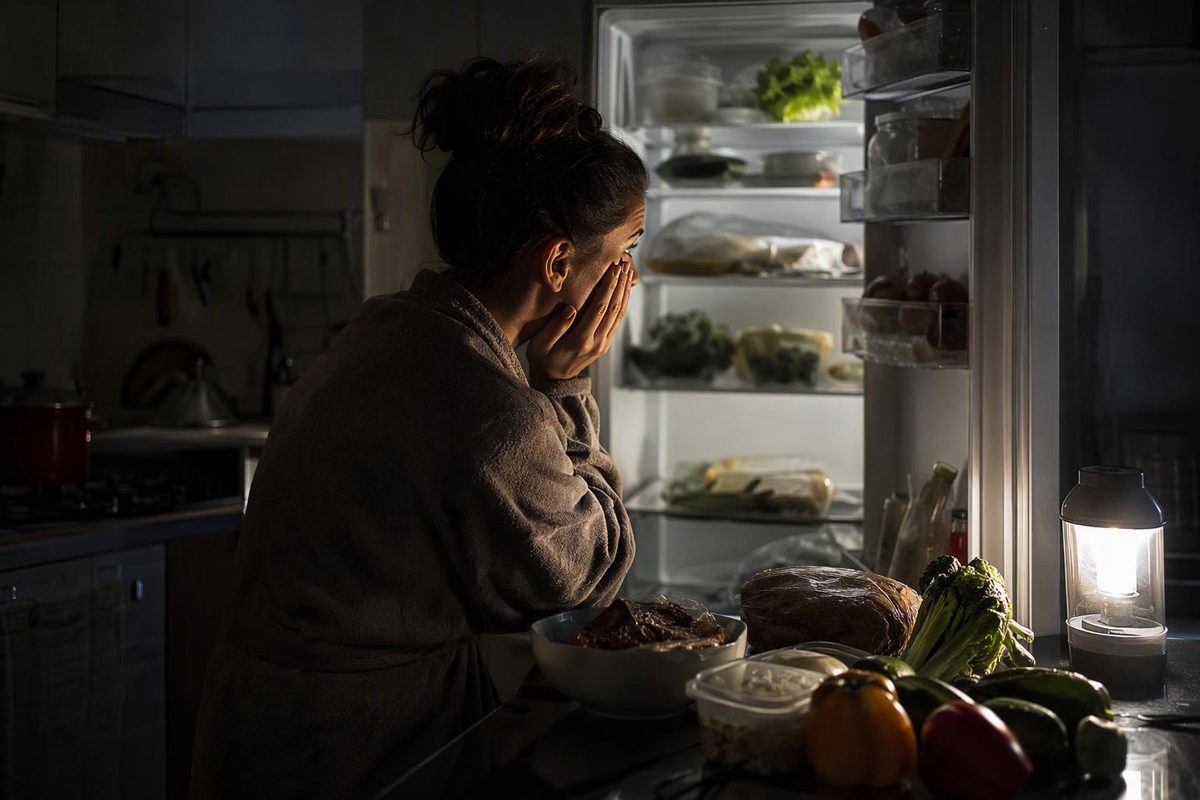
Sometimes—but a power outage alone does not guarantee coverage. Renters insurance may reimburse spoiled refrigerated or frozen food through personal property coverage or a specific food-spoilage provision. What matters is the cause and location of the power failure, any coverage that overrides an exclusion, and the deductible and limit that apply.
The practical question is not just “Is food covered?” It is “Does my policy cover food spoiled by this particular outage, and would it pay anything?”
The cause—and location—of the outage matter
A storm-related outage is not automatically covered just because your policy lists windstorms. An exclusion for utility failures away from your rental can still block payment.
For example, Assurant’s policyholder FAQ says its policy excludes loss caused directly or indirectly by power failure when the failure occurs off the residence premises. That makes the location of the failure important, not simply whether a storm occurred.
Other policy wording is broader. A State Farm Maine renters policy form, copyrighted 2017 and published by Maine’s insurance regulator, extends personal property coverage to contents of refrigerated or deep-freeze units on the residence premises lost through power failure or mechanical failure. It requires reasonable steps to protect the contents once the failure is known and excludes unplugging or switching off the unit unless caused by an insured loss. This provision does not increase the applicable property limit. It is a specific form example, not a promise about every State Farm policy.
| What happened? | What to check in your policy |
|---|---|
| Utility lines or equipment failed away from the rental | The off-premises power-failure exclusion and any food-spoilage exception |
| A fire or another insured event interrupted power at the rental | Whether temperature-change losses are covered and what location conditions apply |
| The refrigerator mechanically failed | Whether refrigerated-products or equipment-breakdown coverage includes the food |
| The refrigerator was unplugged or switched off | Any explicit exclusion for these actions |
Search your full policy and endorsements for “food spoilage,” “refrigerated products,” “refrigerated property,” “power interruption,” and “power failure.” The declarations page alone may not explain these conditions.
Coverage can still produce a $0 payment
A food-loss limit caps what the coverage can pay; a deductible is the amount you absorb. Do not assume the food provision uses your ordinary personal property deductible—or that it waives it. Ask which deductible applies and how it interacts with the limit.
The State Farm Maine form, for example, generally pays the portion of a covered loss exceeding the declarations-page deductible, subject to policy limits. For the basic mechanics, see how insurance deductibles work.
Illustrative example: deductible, limit and exclusion
Assume a hypothetical policy has:
- Accepted spoiled-food loss: $350.
- Food-loss payment limit: $500.
- Applicable deductible: $100.
- Exclusion: Off-premises utility failure, with no exception restoring coverage.
If a qualifying on-premises event caused the spoilage, the payment would be $250: $350 minus $100, below the $500 limit.
If the same food spoiled because of an excluded off-premises utility failure, the payment would be $0, regardless of the limit. If the loss qualified but a $500 deductible applied instead, it would also produce $0—this time because of the deductible, not an exclusion.
Document the loss without keeping unsafe food
GEICO’s outage-claims guidance recommends photographing losses, saving receipts, and recording the outage’s date, duration and cause. A useful food-loss record includes:
- Photos of affected food, packaging and quantities, when safe to take.
- An itemized list with costs supported by grocery receipts or order histories where available.
- Utility notices showing when power failed and any confirmed explanation.
- Receipts for replacement groceries and reasonable efforts to preserve food.
Do not keep unsafe food while waiting for an adjuster. FoodSafety.gov says a closed refrigerator keeps food safe for up to four hours and advises discarding refrigerated perishables such as meat, fish, eggs and leftovers after four hours without power. A closed full freezer holds a safe temperature for approximately 48 hours, or 24 hours if half full. Follow its item-by-item discard guidance, and never taste food to test safety.
Contact the insurer promptly and follow your policy’s loss-reporting requirements. Ask: “Which clause covers or excludes this outage, what food-loss limit applies, and which deductible applies?” If shopping before a loss, request those same terms in writing—not just confirmation that the policy covers personal belongings.