
5 min read ·
How Non-Owner Car Insurance Protects Drivers Without Cars
See when non-owner car insurance covers liability, which vehicle damage it excludes, how borrowed-car claims work, and when another policy fits.
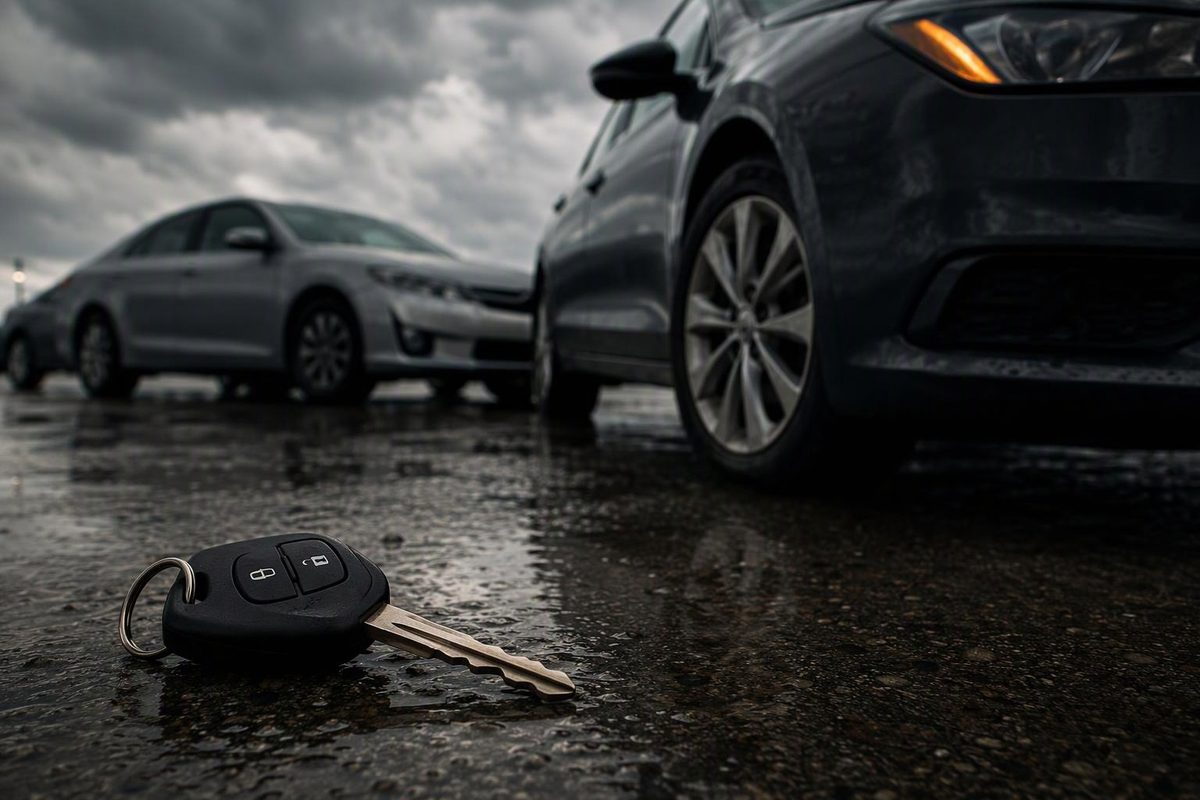
“Non-ownership car insurance” usually means non-owner car insurance: liability coverage for a person who drives but does not own a vehicle. It can pay for injuries or property damage you cause while driving an eligible car, but it generally does not cover damage to the car you are driving.
Pick your vehicle situation and coverage need to see whether a non-owner policy fits.
Non-Owner Policy Fit Check
Match the policy type to the vehicle you use and the protection you need.
A non-owner policy may fit
It may provide liability coverage when you occasionally borrow or rent an eligible vehicle. For a borrowed car, the owner’s insurance commonly responds first and the non-owner policy may be excess.
- It generally does not cover physical damage to the car you drive.
- Household, regular-use and business-use exclusions can change the result.
- Confirm how the policy coordinates with the vehicle owner’s coverage.
Source note: NAIC and Texas Department of Insurance guidance cited in the article; availability and policy terms vary by state and insurer.
The policy follows the named driver rather than one listed vehicle. The NAIC says non-owner policies may include liability, uninsured/underinsured motorist, personal injury protection (PIP) and medical payments coverage, but generally do not cover damage to the vehicle being driven (NAIC). Availability and policy terms vary by state and insurer.
What a Non-Owner Policy Can Cover
The core protection is usually:
- Bodily injury liability: Pays covered medical expenses, lost income and other losses of people injured in an accident you cause, up to the policy limits.
- Property damage liability: Pays for covered damage you cause to another person’s vehicle or property, up to the limit.
- Legal defense: Liability policies commonly pay covered defense costs if you are sued, although the policy determines how that protection applies.
Depending on the state and insurer, a quote may also include or offer uninsured/underinsured motorist coverage, medical payments or PIP. These coverages are not interchangeable. Liability pays others when you are legally responsible; the other coverages may address injuries to you or your passengers under their own terms.
A non-owner policy may suit someone who frequently rents cars, uses a car-sharing service or occasionally borrows a friend’s car. Texas regulators describe non-owner liability coverage as paying for damage and injuries the policyholder causes while driving a borrowed car, but not the policyholder’s injuries or damage to that car (Texas Department of Insurance).
What Non-Owner Insurance Usually Excludes
Common gaps include:
- Damage to the vehicle you are driving. Non-owner policies generally do not provide collision or comprehensive coverage for it.
- Your belongings in the vehicle. Liability coverage does not insure your laptop, luggage or other personal property.
- A household or company car available for regular use. A policy may exclude vehicles furnished or available for your regular use. If you routinely drive a household member’s car, the owner may need to list you on that vehicle’s policy. Progressive notes that many insurers require licensed household drivers to be listed (Progressive).
- Delivery, rideshare or other business use. Personal coverage may exclude these activities.
- Rental-company charges. Damage to the rental car, loss-of-use fees and other charges may not be covered.
For a rental, non-owner liability coverage and a collision damage waiver address different risks. The policy may cover your liability to other people; a waiver may protect you from certain charges for damage to the rental vehicle.
The Texas Department of Insurance explains that a damage waiver is an agreement—not insurance—and recommends checking both liability protection and the waiver before renting (TDI). Credit-card rental benefits may have separate conditions and exclusions.
The Vehicle Owner’s Insurance Commonly Pays First
After a borrowed-car crash, the vehicle owner’s liability insurance commonly responds first. The driver’s non-owner coverage may then apply if the owner’s available limit is not enough. The Texas Department of Insurance describes this sequence for borrowed cars, while GEICO describes its non-owner coverage as secondary to the owner’s policy (TDI; GEICO).
That order is not universal. Permission, an excluded driver, household residency, regular use and each policy’s “other insurance” clause can change the result. Two stated limits do not necessarily combine.
Ask the non-owner insurer how its policy coordinates with:
- A friend’s personal auto policy.
- A rental company’s included liability protection.
- A car-sharing service’s insurance.
- An uninsured vehicle.
Example: Liability Limits, Collision and the Deductible
Assume you cause a crash while occasionally borrowing a friend’s car:
- Damage to the other vehicle: $40,000
- Damage to your friend’s car: $8,000
- Friend’s property-damage liability limit: $25,000
- Your non-owner property-damage limit: $50,000
- Friend’s collision deductible: $1,000
If your friend’s policy covers you and is primary, it could pay the first $25,000 of the other driver’s $40,000 covered loss. If your non-owner policy applies as excess, it could pay the remaining $15,000. The exact result depends on both policies’ terms.
Liability coverage ordinarily does not apply a deductible to the third party’s claim. The $1,000 deductible in this example belongs to your friend’s collision coverage.
The $8,000 damage to your friend’s car is a separate loss. Because the non-owner policy excludes physical damage to the car you are driving, it pays $0 for that vehicle. If your friend has applicable collision coverage, that policy could pay $7,000 after the $1,000 deductible.
Without applicable collision coverage, insurance may not pay for the borrowed car even though liability insurance pays the other driver’s loss. Having liability insurance does not mean the borrowed car is covered for physical damage.
Regular Auto Insurance Is Better for Cars You Own or Regularly Use
A non-owner policy is generally the wrong product if you:
- Own, lease or finance a vehicle.
- Have a car titled or registered to you.
- Regularly use one household member’s vehicle.
- Have unrestricted access to an employer-provided car.
- Need collision or comprehensive coverage for a particular vehicle.
Insurance requirements for an owned vehicle remain separate. California, for example, requires evidence of financial responsibility for vehicles operated or parked on public roads. Its DMV says a vehicle’s registration can be suspended if the agency does not receive proof of insurance (California DMV).
Do not assume a non-owner policy will satisfy registration requirements for a car you own. Confirm the arrangement with the insurer and the relevant state agency.
For the broader distinction between driver coverage and vehicle requirements, see Do You Need Car Insurance to Drive?.
A Non-Owner Policy May Support an SR-22 Filing
An SR-22 is a form showing that a driver has the required liability coverage, not a separate type of insurance. If a state requires the filing and you do not own a car, an insurer may be able to attach the filing to a non-owner policy.
Progressive notes that requirements vary by state and that not every insurer offers SR-22 filings for non-owner policies (Progressive).
Tell the insurer about the filing requirement before buying. Confirm the required limits, filing period and consequences of a lapse with the agency that ordered or administers the filing.
Compare Policy Terms Before Buying
Compare quotes using the same liability limits, then get answers to these policy-specific questions:
- Which borrowed, rental and car-sharing vehicles qualify?
- Is coverage primary, excess or dependent on the situation?
- Are household vehicles or cars available for regular use excluded?
- Are business, delivery and rideshare uses excluded?
- Does the policy include UM/UIM, PIP or medical payments?
- Are defense costs covered, and do they reduce the liability limit?
- Can the insurer make an SR-22 filing if required?
- What must you do if you buy or begin regularly using a vehicle?
Review the declarations, definitions, exclusions and endorsements—not only the quote screen. Limits determine the most the insurer will pay; exclusions determine whether the policy responds at all.